> Product > Embroidery Patches > Rope Embroidery Patches
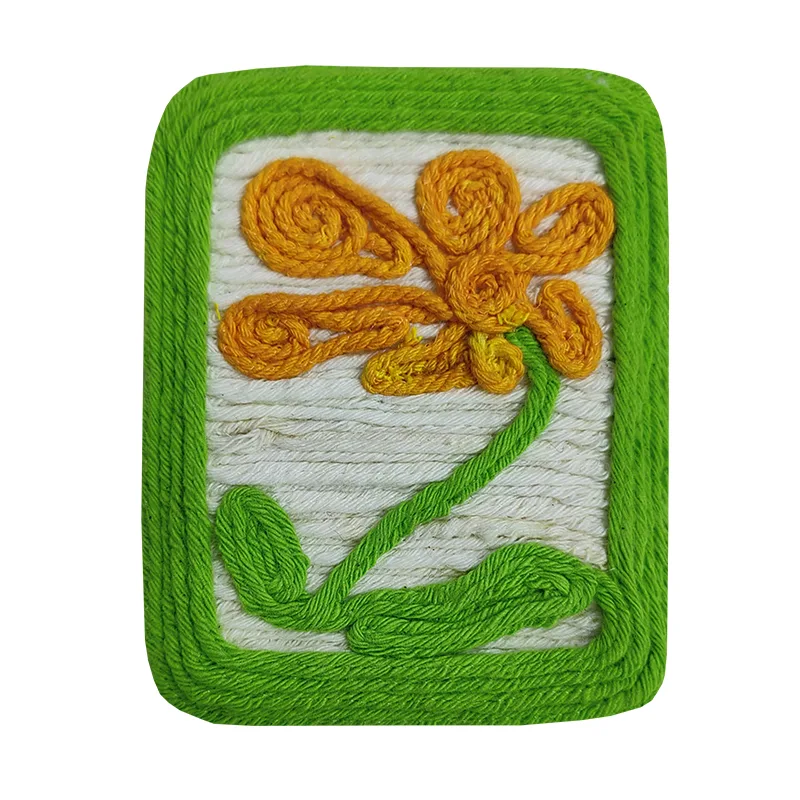
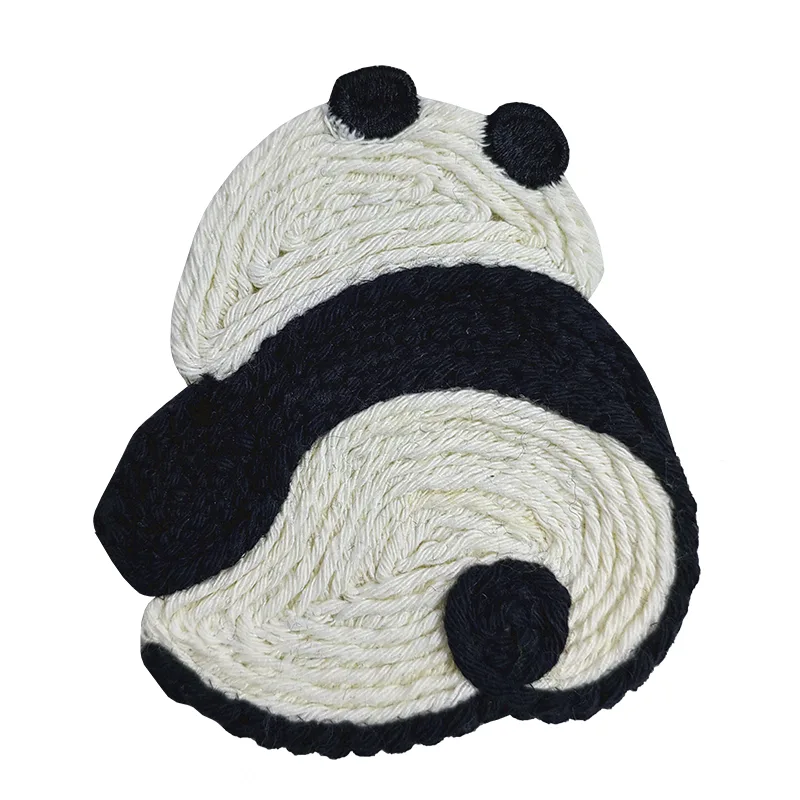
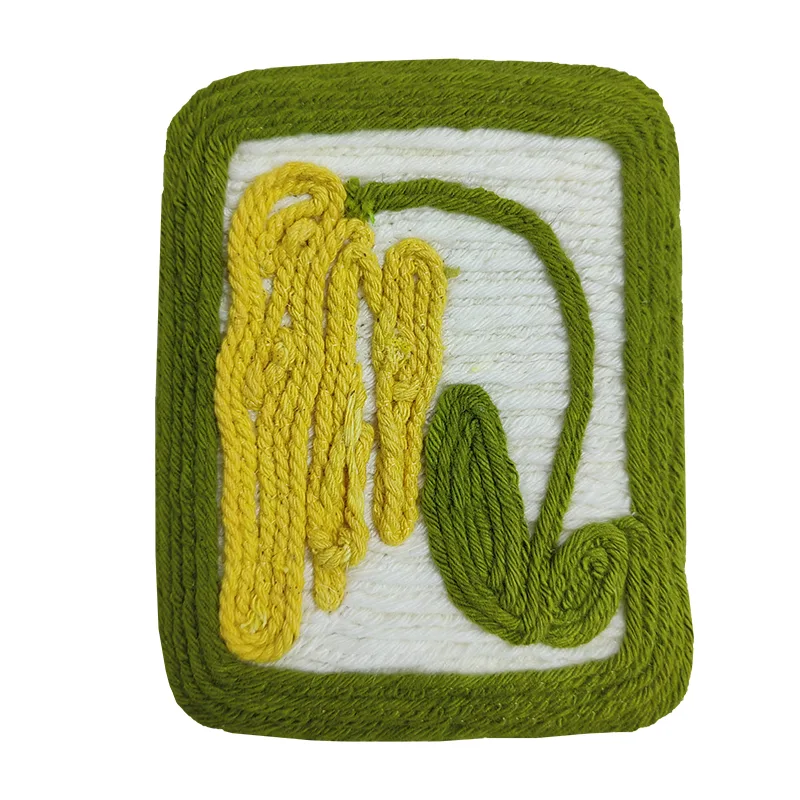
Welcome to GOLDEN BRAND, where sophistication meets craftsmanship in every stitch. Our collection of rope embroidery patches offers a unique blend of elegance and texture to enhance your attire. Whether you’re a fashion enthusiast, a trendsetter, or a business looking to make a statement, our patches provide a stylish and versatile option for customization.
Our rope embroidery patches feature intricate rope elements that add depth and texture to any garment or accessory.
With timeless appeal, our patches boast classic designs that effortlessly elevate the look of your clothing or accessories.
Meticulously crafted with high-quality embroidery, our patches are durable and long-lasting, ensuring they maintain their shape and detail over time.
From jackets to bags, hats to jeans, our patches can be easily applied to various fabrics and surfaces, allowing for versatile customization.
Achieve a sophisticated look with our understated yet stylish rope embroidery patches that add a touch of refinement to any outfit.
Embrace the timeless appeal of rope embroidery with our patches, which offer a classic and sophisticated look suitable for any occasion.
Express your individual style with our customizable patches. Choose from different rope designs, colors, and sizes to create patches that reflect your personality or brand identity.
Businesses can enhance their brand image with custom rope embroidery patches featuring logos, slogans, or emblems, perfect for uniforms, promotional merchandise, or corporate gifts.
Whether you’re dressing up for a formal event or adding flair to your everyday attire, our rope embroidery patches offer endless possibilities for customization and style.
Embellish blazers, coats, dresses, or skirts with our rope embroidery patches to add a touch of sophistication and elegance to your wardrobe.
Customize bags, hats, scarves, or gloves with our patches for a stylish accessory that complements your look.
Showcase your brand or business with custom rope embroidery patches on uniforms, tote bags, hats, or promotional merchandise, effectively increasing brand visibility and recognition.
Create commemorative rope embroidery patches for special events such as weddings, anniversaries, or corporate gatherings, providing attendees with a memorable keepsake to cherish.
Elevate your style with our exquisite rope embroidery patches from GOLDEN BRAND. Whether you’re looking to make a fashion statement, promote your brand, or add a touch of sophistication to your attire, our patches offer unmatched elegance, versatility, and craftsmanship.
The best material to embroider patches on depends on several factors, including the intended use of the patches, desired appearance, durability requirements, and personal preferences. Here are some common materials used for embroidering patches:
Twill fabric is a popular choice for embroidering patches due to its durability and stability. It has a tight weave and a smooth surface that provides an excellent base for embroidery stitches. Twill fabric is available in various colors and is suitable for a wide range of patch designs.
Felt is another commonly used material for embroidering patches, especially for more traditional or vintage-style designs. It has a soft and fuzzy texture that adds a cozy and nostalgic feel to the patches. Felt is available in different thicknesses and colors, making it versatile for various embroidery projects.
Canvas fabric is known for its strength and durability, making it suitable for patches that will be subjected to heavy wear or outdoor use. It has a sturdy and heavyweight texture that can withstand repeated washing and handling. Canvas is available in various colors and can be dyed or painted to achieve custom designs.
Denim fabric is a classic choice for embroidering patches, particularly for casual or rugged designs. It has a durable and rugged texture that adds a trendy and vintage look to the patches. Denim is available in different weights and washes, allowing for versatile design options.
Cotton or polyester blend fabrics are commonly used for embroidering patches due to their affordability, ease of embroidery, and wide availability. These fabrics come in various weights and finishes, making them suitable for different patch designs and applications.
When selecting the best material for embroidering patches, consider factors such as the desired appearance, durability, color options, fabric texture, and intended use of the patches. It’s also important to choose high-quality materials that are compatible with your embroidery machine and can withstand the stitching process without stretching or distorting. Ultimately, the best material for your patches will depend on your specific project requirements and preferences.
The cost of patches versus direct embroidery can vary depending on several factors, including the size of the design, the complexity of the artwork, the quantity ordered, and the materials used. Here’s a comparison between the costs of patches and direct embroidery:
Patches:
Setup Costs:
Materials:
Quantity Discounts:
Complexity:
Direct Embroidery:
Setup Costs:
Materials:
Stitch Count:
Quantity Discounts:
The best stitch for embroidering patches depends on several factors, including the design of the patch, the fabric used, and personal preference. However, some common stitches are frequently used for embroidering patches due to their versatility, durability, and aesthetic appeal. Here are a few stitches commonly used for embroidering patches:
The satin stitch is a basic embroidery stitch that creates smooth, flat lines. It is commonly used for filling in areas of color on patches, creating a solid and polished appearance. Satin stitch is suitable for both simple and complex designs.
The running stitch is a simple and quick embroidery stitch that creates a dashed or dotted line. It is often used for outlining designs or adding texture to patches. Running stitch can be used alone or combined with other stitches for added detail.
The fill stitch, also known as the tatami stitch, is used to fill in larger areas of a design with parallel rows of stitches. It creates a solid and even texture, making it ideal for covering large areas on patches. Fill stitch can be adjusted in density to achieve different effects.
The backstitch is a strong and secure embroidery stitch that is often used for outlining designs or adding fine details to patches. It creates a continuous line of stitches with no gaps, providing a crisp and defined edge to the design.
The chain stitch is a decorative embroidery stitch that creates a looped chain-like pattern. It can be used for outlining, filling, or adding texture to patches. Chain stitch adds a unique and dimensional element to patch designs.
The outline stitch, also known as the stem stitch, is commonly used for outlining designs or adding decorative borders to patches. It creates a twisted rope-like line that adds a decorative element to the edges of the design.
When choosing the best stitch for embroidering patches, consider the overall design, the level of detail required, and the intended use of the patch. Experimenting with different stitches and combinations can help achieve the desired aesthetic and ensure that the patch is durable and long-lasting.
When embroidering patches, using the right stabilizer is crucial to ensure the quality of the embroidery and the stability of the patch. The type of stabilizer you use will depend on factors such as the fabric, the design complexity, and personal preference. Here are some commonly used stabilizers for embroidering patches:
Cut-away stabilizers are ideal for embroidering patches on stretchy or delicate fabrics, as they provide strong support and prevent distortion during stitching. They are designed to remain attached to the fabric after embroidery and are trimmed away from the edges of the design.
Tear-away stabilizers are suitable for embroidering patches on stable and non-stretchy fabrics. They provide temporary support during stitching and can be easily torn away from the fabric after embroidery is complete. Tear-away stabilizers are available in different weights and can be used for various patch designs.
Water-soluble stabilizers are often used for embroidering patches on delicate or sheer fabrics, as they dissolve completely in water after embroidery is finished. They provide temporary support during stitching and are suitable for designs with intricate details or open areas.
Adhesive backing or stabilizers have a sticky adhesive side that adheres to the fabric, providing stability during embroidery. They are suitable for embroidering patches on fabrics that are difficult to hoop or for securing small or irregularly shaped patches.
Cut-away fusible stabilizers have a fusible adhesive side that can be ironed onto the fabric before hooping. They provide strong support during embroidery and can be trimmed away from the edges of the design after stitching. Cut-away fusible stabilizers are suitable for embroidering patches on stable fabrics that require extra stability.
Tear-away fusible stabilizers have a fusible adhesive side that can be ironed onto the fabric before hooping. They provide temporary support during stitching and can be easily torn away from the fabric after embroidery is complete. Tear-away fusible stabilizers are suitable for embroidering patches on stable fabrics that do not require permanent support.
When selecting a stabilizer for embroidering patches, consider the fabric type, design complexity, and desired finish. Test different stabilizers to determine which one works best for your specific project and embroidery machine. Additionally, always follow the manufacturer’s instructions for proper hooping, stabilizer placement, and embroidery techniques to achieve the best results.