When choosing between woven badges and embroidered patches, understanding their differences is essential. Each type offers unique features that cater to specific needs. Woven badges excel in capturing intricate details, making them ideal for small, complex designs. On the other hand, embroidered patches provide a textured, premium look, perfect for bold and classic designs.
Your choice impacts not only the design but also the durability and cost. For example, woven badges are often more cost-effective and better suited for formal attire, while embroidered patches work well for casual wear or uniforms. By learning about these options, you can personalize clothing effectively and make an informed decision.
1. Key Takeaways
- Woven badges are great for detailed designs. They show small details clearly and have a smooth look, making them good for logos and tiny text.
- Embroidered patches have a textured and classic style. Their raised surface gives depth, making them fit for bold designs and old-fashioned looks.
- Think about durability when picking patches. Embroidered patches last longer for tough use, while woven badges work well for daily wear.
- Cost is important. Woven badges usually cost less, especially for big orders, while embroidered patches may be worth more for their fancy look.
- Match your design needs. For precise and detailed designs, pick woven badges. For a bold and classic style, go with embroidered patches.
2. Understanding Woven Badges
2.1 Features of Woven Badges
Woven badges are crafted using fine threads that are tightly woven together. This technique allows for high-resolution designs with sharp details. Unlike embroidered patches, woven badges have a smooth surface without raised textures. This makes them ideal for intricate logos, small text, or detailed patterns. The lightweight nature of these badges ensures they sit flat on clothing, giving a polished and professional look.
2.2 Benefits of Woven Badges
Woven badges offer several advantages that make them stand out from other types of patches:
Durability and Longevity: These badges are designed to endure frequent wear and washing without losing their shape or color.
Detail Designs: They can replicate complex designs and fine text with unmatched clarity.
Lightweight and Comfortable: Their thin and smooth structure ensures they do not add bulk, making them comfortable to wear.
Versatility: Woven patches work well with various fabrics and clothing types, from uniforms to casual wear.
Professional Appearance: Their sleek finish makes them perfect for branding or formal applications.
| Benefit | Woven Patches | Other Patches |
|---|---|---|
| Durability | Stand up to repeated washings and wear and tear | Less durable |
| Detail in Designs | Reproduce complex designs with clarity and precision | Limited detail |
| Comfort | Lightweight and comfortable to wear | Can add bulk |
| Versatility | Suitable for various fabrics and applications | More limited applications |
| Professional Appearance | Ideal for branding and professional use | Less professional look |
2.3 Ideal Use Cases for Woven Badges
You should consider woven badges when your design requires precision and detail. They are perfect for corporate logos, event branding, or promotional items where a professional appearance is essential. These badges also work well for school uniforms, sportswear, or any clothing that demands a lightweight and comfortable patch. If you want a sleek and modern look, woven patches are an excellent choice.
3. Exploring Embroidered Patches
3.1 Features of Embroidered Patches
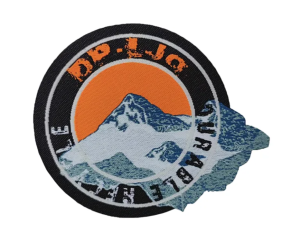
Embroidered patches stand out due to their textured and raised surface, which creates a three-dimensional effect. These patches use various thread types, such as polyester, rayon, and metallic threads, offering diverse color options and finishes. Unlike woven patches, embroidered patches have a bulkier texture, making them ideal for designs that emphasize boldness and depth.
The base material for these patches is typically polyester twill, known for its durability and washability. Felt is another option, providing a softer and more traditional look. You can also choose from multiple backing options, including iron-on, Velcro, adhesive, and pin backings, to suit your specific application needs.
| Base Material Type | Description |
|---|---|
| Polyester Twill | Durable and washable fabric used as a base material. |
| Felt | Alternative base material for a softer appearance. |
3.2 Benefits of Embroidered Patches
Embroidered patches offer several advantages that make them a popular choice:
- Durability: These patches act as a protective layer, preserving vibrant colors and intricate details even after repeated washing.
- Aesthetic Appeal: The raised texture and layered stitching create a premium, classic look that adds depth to your design.
- Versatility: They work well for uniforms, outdoor gear, and fashion items, aligning with both vintage and modern trends.
- Customization: You can incorporate complex design features, such as different textures and stitching methods, to achieve a detailed and visually appealing result.
Tip: If you want a retro or trend-setting feel, embroidered patches are an excellent choice for your garments or accessories.
3.3 Ideal Use Cases for Embroidered Patches
Embroidered patches are widely used across various industries and applications:
- Military and Law Enforcement: Display rank, identity, and unit affiliation.
- Educational Institutions: Recognize achievements and foster school spirit.
- Fashion and Apparel: Add a stylish touch to clothing and accessories.
- Corporate Branding: Promote brand identity on uniforms and merchandise.
- Sports Teams: Represent team unity and commemorate victories.
- Outdoor and Adventure Groups: Showcase affiliations and skills.
- Nonprofit Organizations: Raise awareness and support fundraising efforts.
- Tourism and Souvenirs: Serve as memorable keepsakes for travelers.
Whether you need patches for professional use or personal expression, embroidered patches provide a durable and visually striking solution.
4. Woven Badges vs. Embroidered Patches: Key Comparisons
4.1 Detail and Precision
When it comes to precision, woven patches excel. Their fine threads and tight weaving allow for intricate designs, making them perfect for small text or detailed logos. You can achieve clarity and sharpness that embroidered patches often struggle to match. The thicker threads and stitching techniques used in embroidered patches limit their ability to capture fine details. This makes them better suited for bold, less complex designs.
| Feature | Woven Patches | Embroidered Patches |
|---|---|---|
| Detail and Precision | Excellent for intricate designs due to finer lines and smaller text | Limited precision due to thicker threads and stitching technique |
| Ideal Use | Designs requiring clarity | Classic look with depth and vintage feel |
If your design demands precision and clarity, woven patches are the superior choice. However, for a more traditional or bold aesthetic, embroidered patches may better suit your needs.
4.2 Texture and Appearance
The texture and appearance of a patch significantly impact its overall look. Woven patches have a smooth, flat surface that gives a sleek and modern finish. This makes them ideal for professional or formal applications. In contrast, embroidered patches feature a raised, textured surface that adds depth and a classic feel to your design. This textured appearance works well for vintage or bold styles.
| Factor | Woven Patches | Embroidered Patches |
|---|---|---|
| Texture and Appearance | Smooth and flat surface, sleek look | Textured and raised surface, classic appearance |
Your choice depends on the aesthetic you want to achieve. For a polished and contemporary look, woven patches are ideal. If you prefer a more traditional or rugged appearance, embroidered patches deliver that classic charm.
4.3 Durability and Longevity
Durability and longevity are crucial factors when choosing between woven badges and embroidered patches. Woven patches are durable and can withstand frequent washing, but they may not endure wear and tear as effectively as embroidered patches in certain conditions. The secure stitching of embroidered patches makes them more resilient, especially for heavy-duty applications like uniforms or outdoor gear.
- Woven patches offer excellent durability and are washable, making them suitable for everyday use.
- Embroidered patches resist fraying and maintain their quality over time, even under tough conditions.
Proper care can extend the life of both types of patches. Washing garments inside out or using a laundry bag helps prevent damage. For long-lasting applications, embroidered patches often provide better durability and longevity.
4.4 Cost Considerations
When comparing woven patches and embroidered patches, cost plays a significant role in your decision. Woven patches are generally more cost-effective, especially for intricate designs or small text. Their efficient production process and reduced thread usage lower the overall cost per piece. This makes them an excellent choice for projects requiring fine detail without breaking the budget.
In contrast, embroidered patches can be pricier, particularly for complex designs with high stitch counts. The thicker threads and layered stitching increase production costs. However, their premium, textured appearance often justifies the higher price for those seeking a classic and bold aesthetic.
If you plan to order in bulk, woven patches offer additional savings. Many manufacturers provide discounts for larger orders, reducing the cost per unit. For example, ordering 300 patches instead of 250 can significantly lower the total price. This makes woven patches ideal for large-scale projects or tight budgets.
Tip: For cost-effective solutions, consider woven patches for intricate designs or bulk orders. Their simpler manufacturing process ensures affordability without compromising quality.
4.5 Production Time
Production time is another critical factor to consider. Woven patches typically have a faster production timeline due to the efficiency of the weaving process. This makes them a practical option for tight deadlines or last-minute projects.
On the other hand, embroidered patches take longer to produce, especially for designs with a high stitch count. The intricate stitching process requires more time and effort, which can delay delivery. However, the result is a durable and visually striking patch that stands out.
Factors like quantity and design complexity also influence production time. For larger orders or detailed designs, woven patches maintain their efficiency, ensuring quicker turnaround times. This advantage makes them a preferred choice for time-sensitive projects.
- Woven patches: Faster production due to efficient weaving.
- Embroidered patches: Longer production time, especially for high-stitch designs.
Note: If you need patches quickly, woven patches are the better option. Their streamlined production process ensures timely delivery without sacrificing detail.
5. Choosing Between Woven Badges and Embroidered Patches
5.1 Design Complexity and Detail
When your design includes intricate details or small text, woven patches are the better choice. Their smooth, flat surface allows for high-resolution designs with sharp clarity. This makes them ideal for corporate logos, promotional items, or brand emblems where precision is essential. The tight weave structure also ensures vibrant colors and precise color representation, giving your design a polished and professional look.
On the other hand, embroidered patches excel in creating bold, textured designs. The thicker threads and raised stitching add depth, making them perfect for designs that emphasize a classic or rugged identity. However, this textured finish may limit the clarity of complex designs. If your priority is detail over texture, woven patches will meet your needs more effectively.
Tip: For designs requiring clarity and fine detail, opt for woven patches. For a bold, traditional aesthetic, embroidered patches are the way to go.
5.2 Desired Aesthetic and Texture
Your desired appearance plays a significant role in choosing between these two types of patches. Woven badges offer a sleek, modern look with a smooth surface, making them suitable for professional or fashion-related applications. Their lightweight structure ensures they blend seamlessly with garments, enhancing the overall aesthetic without adding bulk.
In contrast, embroidered patches provide a textured, three-dimensional effect that adds character to your design. This classic look works well for uniforms, outdoor gear, or vintage-inspired apparel. The raised stitching creates a bold statement, making embroidered patches a favorite for customers seeking a traditional style.
Note: Consider the overall aesthetic you want to achieve. For a polished and contemporary look, woven patches are ideal. For a timeless, textured appearance, embroidered patches deliver the desired charm.
5.3 Durability and Longevity Requirements
Durability requirements vary depending on the intended use of your patches. Embroidered patches are highly durable, thanks to their thicker threads and secure stitching. They withstand wear and tear effectively, making them ideal for uniforms, outdoor gear, and frequently used garments. Polyester twill, a common base material for embroidered patches, enhances their durability and washability.
Woven patches, while durable, may not match the longevity of embroidered patches in heavy-duty applications. However, their tight weave structure ensures they endure repeated use and environmental conditions with proper care. For projects requiring lightweight patches with moderate durability, woven patches are a reliable option.
Tip: Evaluate the specific use case for your patches. For heavy-duty applications, embroidered patches offer superior durability. For lighter use, woven patches provide a durable yet cost-effective solution.
5.4 Budget and Cost Factors
Your budget plays a significant role in deciding between woven badges and embroidered patches. Each type offers unique cost advantages depending on your needs and constraints. Understanding these differences helps you make a financially sound choice.
Woven patches are often the more cost-effective option. The weaving process is efficient, which reduces production costs. This makes them ideal for large orders or detailed designs. If you need hundreds of patches for a promotional event or uniforms, woven patches can save you money without compromising quality. Their affordability also makes them a great choice for projects with tight budgets.
In contrast, embroidered patches tend to have a higher upfront cost. The labor-intensive stitching process and thicker threads increase production expenses. This is especially true for complex designs with high stitch counts. However, the premium look and textured finish of embroidered patches often justify the extra cost. If you want a bold and classic appearance, investing in embroidered patches might be worth it.
When working within budget constraints, consider these factors:
- Woven patches are more affordable for detailed designs and bulk orders.
- Embroidered patches cost more due to their intricate stitching and textured finish.
- Larger quantities of woven patches often result in significant savings.
Tip: If you need a cost-effective solution for intricate designs or large-scale projects, woven patches are the better choice. For a premium, textured look, embroidered patches may be worth the extra expense.
By evaluating your budget and design priorities, you can choose the type of patch that aligns with your financial goals and aesthetic preferences.
Choosing between woven badges and embroidered patches depends on your specific needs. Woven badges excel in capturing intricate details and offer a sleek, modern look. Embroidered patches, with their textured and bold appearance, provide a classic aesthetic and superior durability for heavy-duty use.
Aligning your choice with design, durability, and budget ensures the best results:
- Matching the patch design to your budget minimizes costs by reducing size or colors.
- Durable patches, like embroidered ones, maintain quality over time, ideal for long-term use.
- Custom patches add a unique, personalized touch, helping you stand out.
Recommendation: For detailed designs or cost-effective solutions, choose woven badges. For a bold, timeless look with lasting durability, opt for embroidered patches.
6. FAQ
6.1 What is the main difference between woven badges and embroidered patches?
Woven badges use fine threads for intricate details and a smooth finish. Embroidered patches feature thicker threads and raised textures, creating a bold, classic look. Your choice depends on whether you prioritize detail or texture.
Tip: Choose woven badges for precision and embroidered patches for a textured, vintage feel.
6.2 Which type of patch is more durable?
Embroidered patches are more durable due to their thicker threads and secure stitching. They withstand heavy use and harsh conditions better than woven badges. However, woven badges still offer good durability for everyday wear.
Note: For outdoor or heavy-duty applications, embroidered patches are the better option.
6.3 Are woven badges cheaper than embroidered patches?
Yes, woven badges are usually more cost-effective. Their production process uses fewer materials and takes less time. Embroidered patches, with their textured finish, often cost more due to the labor-intensive stitching.
Tip: If you’re on a budget, woven badges are a great choice for detailed designs.
6.3 Can I use both types of patches for uniforms?
Yes, both types work well for uniforms. Woven badges suit formal uniforms with intricate logos, while embroidered patches add a bold touch to casual or outdoor uniforms. Your choice depends on the uniform’s style and purpose.
6.4 How do I decide which patch type suits my needs?
Consider your design’s complexity, desired texture, durability requirements, and budget. Woven badges excel in detail and affordability. Embroidered patches offer a textured, premium look and greater durability.
Recommendation: Match the patch type to your design and usage needs for the best results.