
Woven labels and satin labels are both popular types of fabric labels used for various applications, but they have distinct differences in terms of their construction, appearance, and applications. Here’s a detailed comparison:
Woven Labels
- Construction:
- Material: Typically made from woven fabrics such as polyester, cotton, or a blend. The fabric is woven with threads to create the label.
- Manufacturing Process: The design is integrated into the fabric through a weaving process. This means the design is not printed on the surface but is part of the fabric itself, which provides durability.
- Appearance:
- Texture: Woven labels have a textured, tactile feel due to the weaving process. The texture can vary depending on the type of weave used, such as damask, satin weave, or taffeta weave.
- Design: Offers a more subtle appearance with the design woven into the fabric. While colors and details are incorporated, intricate designs might be limited by the weaving process.
- Durability:
- Longevity: Woven labels are highly durable and can withstand washing and heavy use without significant fading or wear. The design is integral to the fabric, making it resistant to peeling or cracking.
- Cost:
- Generally Higher: Due to the complexity of the weaving process and the quality of the materials, woven labels are typically more expensive than printed labels.
- Applications:
- Ideal for high-quality garments, uniforms, and products where durability and a professional appearance are important.
- Common in clothing brands, where a long-lasting and high-end look is desired.
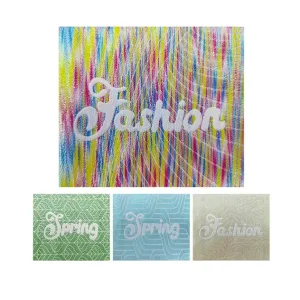
Satin Labels
- Construction:
- Material: Made from satin fabric, which is a smooth and glossy material typically made from polyester or nylon.
- Manufacturing Process: The design is printed onto the satin fabric using various printing techniques such as screen printing, digital printing, or thermal transfer. The design is applied on top of the fabric rather than being woven into it.
- Appearance:
- Finish: Satin labels have a shiny, luxurious appearance due to the glossy finish of the satin fabric. This gives them a high-end look.
- Design: Allows for detailed and vibrant designs, as the printing process can accommodate complex graphics, gradients, and colors.
- Durability:
- Less Durable: The printed design on satin labels may fade or wear off over time, especially with repeated washing or heavy use. The print is on the surface, making it more prone to peeling or fading compared to woven labels.
- Cost:
- Generally Lower: Satin labels are usually more cost-effective than woven labels, especially for detailed and colorful designs. The cost can vary depending on the complexity of the print and the quantity ordered.
- Applications:
- Often used in high-end or luxury apparel, accessories, and home textiles where a premium appearance is desired.
- Suitable for garments or products where intricate designs or vibrant colors are important, and where the label’s longevity is less critical.
Summary
- Woven Labels: Made by weaving the design directly into the fabric, resulting in a durable, textured label that can withstand washing and heavy use. They provide a professional and long-lasting appearance, making them suitable for high-quality and durable products.
- Satin Labels: Made from satin fabric with printed designs, offering a shiny and luxurious look. They are often used for high-end products where appearance is a priority, but they may not be as durable as woven labels due to the potential for print fading over time.
Choosing between woven and satin labels depends on your priorities, such as the desired appearance, durability, and cost considerations for your product.