
Woven labels are essential components of the garment industry, providing branding, care instructions, and other important information. The choice of fabric used for these labels significantly affects their appearance, durability, and overall performance. In this article, we’ll explore the various fabrics commonly used for woven labels, their characteristics, benefits, and applications.
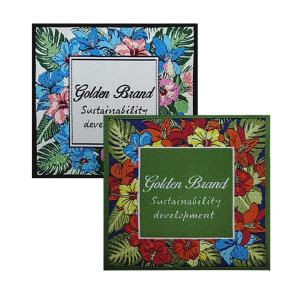
1. Polyester
Characteristics:
Polyester is the most widely used fabric for woven labels. It is a synthetic fiber known for its durability, resistance to shrinking and stretching, and ability to hold vibrant colors.
Benefits:
- Durability: Polyester labels withstand frequent washing and wear without fading or fraying, making them ideal for everyday clothing.
- Color Retention: The fabric retains colors well, allowing for vibrant and detailed designs.
- Cost-Effectiveness: Polyester is generally more affordable than other materials, making it a popular choice for manufacturers.
Applications:
Commonly used in various apparel, including t-shirts, jeans, and sportswear, polyester labels are a staple in the garment industry.
2. Nylon
Characteristics:
Nylon is another synthetic fabric known for its strength and elasticity. It has a smooth texture and a slight sheen, giving it a high-quality appearance.
Benefits:
- Flexibility: Nylon labels can bend and flex without damage, making them suitable for garments that require movement.
- Luxury Appeal: The glossy finish of nylon adds a touch of elegance, making it a preferred choice for high-end brands.
- Resistance to Mildew: Nylon is naturally resistant to mildew and moisture, enhancing its longevity.
Applications:
Nylon labels are often found in high-quality apparel, such as designer clothing and accessories.
3. Cotton
Characteristics:
Cotton is a natural fiber known for its softness and breathability. Cotton woven labels are often preferred for eco-friendly and sustainable products.
Benefits:
- Softness: Cotton labels provide a comfortable feel against the skin, making them ideal for clothing worn close to the body.
- Biodegradability: Being a natural fiber, cotton labels are biodegradable, appealing to environmentally conscious consumers.
- Versatility: Cotton can be easily dyed and printed, allowing for various design options.
Applications:
Cotton labels are commonly used in organic clothing lines, children’s apparel, and other products emphasizing comfort and sustainability.
4. Satin
Characteristics:
Satin labels are made from a glossy fabric that gives them a luxurious appearance. They can be either woven or printed and are often used for decorative purposes.
Benefits:
- Elegant Finish: The smooth, shiny surface of satin labels adds sophistication to garments.
- Design Flexibility: Satin allows for intricate designs and vibrant colors, making them suitable for high-end branding.
- Soft Texture: Satin labels are gentle against the skin, ideal for items worn next to the body.
Applications:
Satin labels are commonly used in lingerie, high-fashion apparel, and gifts, where aesthetics play a significant role.
5. Rayon
Characteristics:
Rayon is a semi-synthetic fiber derived from natural sources like wood pulp. It has a silk-like finish and is often used for high-end clothing labels.
Benefits:
- Luxurious Feel: Rayon labels provide a soft, smooth texture that enhances the perceived quality of the garment.
- Drapability: Rayon has excellent draping properties, allowing it to hang well on garments.
- Dye Affinity: Rayon absorbs dyes well, resulting in rich colors.
Applications:
Rayon labels are frequently found in luxury apparel and upscale fashion brands.
6. Blends and Specialty Fabrics
Characteristics:
Some manufacturers use blended fabrics or specialty materials to create unique woven labels. Blends may include combinations of cotton, polyester, and rayon, while specialty fabrics could include heat-resistant or moisture-wicking materials.
Benefits:
- Customization: Blended fabrics can offer the best of both worlds, providing durability and comfort.
- Special Properties: Specialty fabrics can enhance the functionality of labels, making them suitable for specific applications.
Applications:
Blended and specialty fabrics are often used in sportswear, outdoor clothing, and specialty garments.
Conclusion
The choice of fabric for woven labels is crucial for the overall quality, appearance, and durability of the label. Understanding the characteristics and benefits of each fabric type—polyester, nylon, cotton, satin, rayon, and specialty fabrics—can help brands make informed decisions that align with their product offerings and brand image.
At Guangdong Golden Brand Technology Co., Ltd., we specialize in producing high-quality woven labels tailored to meet the diverse needs of our clients. With nearly 20 years of experience in the garment accessories industry, we are committed to delivering the best solutions for your branding needs.
Contact us today to learn more about our range of woven label options and how we can help elevate your brand’s identity.