Your brand deserves to stand out, and woven labels can help you do just that. These small but mighty tags aren’t just about adding a name to your product—they’re about showcasing your brand’s personality and quality. Whether you’re creating luxury apparel or handmade crafts, the right woven label can leave a lasting impression on your customers. But how do you choose the best one to match your brand’s unique identity? Let’s dive in and find out.
Understanding Woven Labels
What Are Woven Labels?
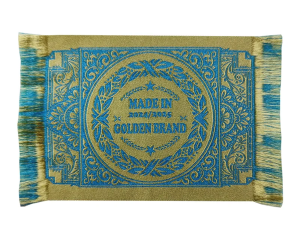
Woven labels are small tags made by weaving threads. These threads create text, logos, or patterns. Unlike printed labels, woven ones use interlaced threads. This makes them strong and high-quality. You’ll see them on clothes, hats, and bags. They’re not just useful—they show off your brand’s style.
Here’s a quick look at some common woven label types:
| Type of Woven Label | Characteristics | Applications |
|---|---|---|
| Damask Woven | Matte polyester, detailed designs, high density | Fits many styles |
| Satin Woven | Shiny polyester, soft, smooth | Great for luxury clothing |
| Taffeta Woven | Rough texture, vintage look | Best for outdoor or retro wear |
These labels are flexible and can match your brand’s look. Whether sleek or rustic, there’s a woven label for you.
Benefits of Woven Labels
Durability and Longevity
Woven labels last a long time. They don’t fade or peel like printed ones. This makes them great for items washed often or used heavily.
Professional Appearance
A woven label makes your product look better. It shows quality and care. Customers see woven labels as a sign of premium craftsmanship.
Versatility in Branding
Woven labels are very customizable. You can pick shapes, sizes, and colors to fit your brand. They also work well for packaging, helping your product stand out. Plus, they make your brand easier to recognize.
Common Applications of Woven Labels
Woven labels are used in many industries. In clothing, they show sizes, care tips, and branding. Handmade items use them to add a personal touch. In textiles, they improve quality and keep important info visible.
Here’s how industries use woven labels:
| Industry | Importance of Woven Labels |
|---|---|
| Apparel Industry | Show sizes, care tips, and boost brand visibility. |
| Textile Industry | Help with brand recognition and keep key info accessible. |
| Handmade Products | Highlight craftsmanship and make products unique in crowded markets. |
No matter your field, woven labels leave a strong impression.
Step-by-Step Guide to Choosing the Best Woven Labels
Step 1: Know What Your Brand Needs
Understand Your Brand’s Style and Purpose
Think about your brand’s personality before picking a woven label. Do you want a modern, sleek look or a vintage, rustic feel? Match the label to your product’s style. For instance, satin labels suit luxury clothing, while damask works well for handmade crafts with detailed textures.
Also, think about your audience. What impression do you want to give? A good woven label shows quality and professionalism. It helps your brand stand out in a busy market.
Decide the Label’s Job (e.g., branding, care tips)
What is the label’s purpose? Is it just for branding, or will it include care instructions or size info? If it has multiple uses, keep the design simple and clear. For example, a label with both a logo and washing tips should balance looks and readability.
Step 2: Pick the Right Material
Comparing Satin, Damask, and Taffeta
The material of your label is important. Here’s a quick guide to help:
| Material | Feel | Strength | Best For |
|---|---|---|---|
| Satin | Smooth and shiny | Medium | Fancy and delicate items |
| Damask | Soft and detailed | Strong | Works for most products |
| Taffeta | Crisp and rough | Strong | Outdoor or vintage items |
Each material has its own perks. Satin adds a fancy touch, damask gives fine details, and taffeta feels rugged and retro. Choose what fits your brand best.
Think About Texture, Strength, and Cost
How does the label feel? Satin is soft and great for clothes that touch skin. Taffeta is rough and better for outerwear. Strength is also key. Damask labels last through many washes. Lastly, think about your budget. Satin costs more but is worth it for high-end products.
Step 3: Work on Design and Looks
Picking Colors and Fonts
Your label’s colors and fonts should match your brand. Bright colors grab attention, while soft tones feel classy. Fonts matter too. A clean font suits modern brands, while script fonts add elegance.
Design ideas like small details or unique layouts can make your label special. For example:
- Small Details: Add tiny touches like color changes when touched. This makes the label memorable.
- Unique Layouts: Try different shapes or designs to make your label stand out.
Logo Placement and Size
Where you put your logo is important. A centered logo looks balanced, while an off-center one feels bold and modern. Size also matters. Big logos are great for branding, while small ones work for care or size tags.
Step 4: Check Strength and How to Attach Labels
Iron-On vs. Sew-In Labels
There are two main ways to attach woven labels: iron-on or sew-in. Each has its own benefits, so choose based on your product’s needs.
- Iron-On Labels: These are simple and fast to use. They work well for small projects or items that won’t be washed often. But they might not last long if washed frequently.
- Sew-In Labels: These are the most durable option. They stay secure even after many washes. For a strong and professional look, sew-in labels are the best choice.
Think about how your product will be used. For example, sew-in labels are better for kids’ clothes or outdoor gear because they can handle more wear and tear.
Keeping Labels Strong Over Time
Durability isn’t just about how you attach the label. It’s also about how well it lasts over time. Studies like the Clothing Longevity Protocol show why durability matters. Here’s what you should know:
- The Protocol helps brands make products that last longer and waste less.
- Experts helped create it to ensure it’s reliable and useful.
By picking strong woven labels and attaching them the right way, you can make your products last longer and keep customers happy.
Step 5: Plan Your Budget
Finding the Right Balance
Budgeting means balancing cost and quality. Fancy materials like satin cost more but are great for luxury items. Damask is a good middle ground—it’s affordable and strong, making it a popular choice.
Save Money by Buying in Bulk
Buying in bulk can help you save money. Here’s why:
| Key Idea | What It Means |
|---|---|
| Setting Spending Goals | Helps you plan costs and use your money wisely. |
| Smarter Resource Use | Lets you afford better materials without going over budget. |
| Tracking Performance | Helps you see where your money goes and improve your strategy. |
Planning ahead and ordering more at once can lower costs while keeping your labels high-quality.
Woven Labels vs. Printed Labels
When labeling products, you have two main choices: woven labels or printed labels. Each has its own benefits. Knowing their differences helps you pick the right one for your brand.
Key Differences
Material and How They’re Made
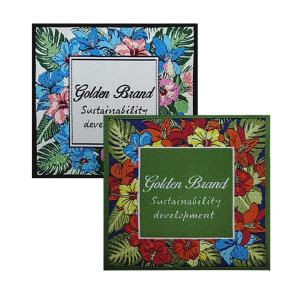
Woven labels are made by weaving threads on a loom. This process creates strong, high-quality tags. They are usually made from polyester or cotton, giving them a fancy feel. Printed labels, however, use cheaper materials and printing methods to add designs. They are quicker to make but don’t last as long.
Here’s a simple comparison:
| Feature | Woven Labels | Printed Labels |
|---|---|---|
| Material | Made with woven polyester or cotton threads. | Made with cheaper, varied materials. |
| Durability | Strong and lasts as long as the product. | Fades or peels after many washes. |
| Design | Simple designs due to weaving limits. | Allows detailed and colorful designs. |
| Manufacturing Time | Takes longer because of the weaving process. | Faster to produce with printing methods. |
| Cost | Costs more because of quality and effort. | Cheaper due to easier production. |
Strength and Look
Woven labels are very durable. They don’t fade or peel, even after many washes. Their textured look makes them great for fancy products. Printed labels, while colorful and detailed, don’t last as long. They can fade or peel with frequent use or washing.
When to Use Woven Labels
For Fancy or Luxury Products
If your brand is high-end, woven labels are a great choice. They look elegant and feel soft, which matches luxury branding. Many designer brands use woven labels for their classy appearance. They work well for formal clothes or expensive items.
For Long-Lasting Items
Woven labels are perfect for products that need to last. They stay in good shape over time, even with lots of washing. This makes them ideal for jackets, kids’ clothes, or anything used often. They keep your branding clear and professional.
When to Use Printed Labels
For Cheaper or Short-Term Needs
Printed labels are a good option if you’re on a budget. They cost less and are faster to make. This makes them great for new businesses or temporary projects. If you want to save money but still need decent labels, printed ones work well.
For Detailed and Colorful Designs
Printed labels are best for showing off detailed designs or bright colors. If your logo has fine details or gradients, printed labels can display them perfectly. They’re ideal for creative projects where design matters most.
Tip: Think about your product’s purpose and audience before choosing. Woven labels are better for fancy, long-lasting items. Printed labels are great for cheaper or design-focused needs.
Tips for Choosing the Best Woven Labels
Work with a Trusted Manufacturer
Picking the right manufacturer is very important for good woven labels. An experienced manufacturer knows how to make high-quality labels. They understand materials, weaving methods, and design details. A reliable partner ensures your labels are consistent and delivered on time.
Look for these qualities in a manufacturer:
- Experience: Companies with years of work know how to handle tough projects.
- Customization Options: They should offer choices in materials, colors, and designs to fit your brand.
- Sustainability Practices: Many brands prefer eco-friendly labels. A good manufacturer will support this.
Tip: Ask for references or read reviews. A trustworthy manufacturer will have happy customers.
Request and Test Samples
Always ask for samples before ordering a lot of labels. Samples let you check the label’s quality by touching and seeing it. You can test its texture, strength, and design accuracy.
Testing samples is also very important. Wash them, stretch them, and see if they stay strong. This helps you know if the labels will last. For example, test clothing labels to see if they feel soft or look good after washing.
Pro Tip: Testing samples early can prevent big mistakes later. It’s better to fix problems now than deal with unhappy customers later.
Gather Feedback from Customers
Your customers can help you improve your woven labels. Their opinions show what works and what doesn’t. For example, they might say a label feels rough or the design isn’t clear. Listening to feedback helps you make labels that meet their needs.
Here’s how feedback improves products:
- Intergiro: Used surveys to make faster decisions, boosting engagement by 54%.
- ParkBee: Reduced complaints by 20% after studying customer feedback.
- Taxfix: Kept more customers by personalizing experiences based on surveys.
- Workwise: Made their product easier to use by asking for feedback.
- Hitta: Tracks satisfaction to match services with customer needs.
Remember: Feedback isn’t just for fixing issues. It shows customers you value their thoughts.
Make Sure the Label Matches Your Brand
Woven labels are more than just tags. They show your brand’s personality. Labels tell your story and connect with customers. That’s why they should match your brand’s identity.
Think about your brand’s main message. Are you about luxury and style? Or do you focus on being eco-friendly? Your labels should show this. For example, a fancy clothing brand might pick shiny satin labels. An eco-friendly brand could use natural materials and earthy colors.
The label’s design is also important. Colors, fonts, and textures send messages. Bright colors feel fun and modern. Soft tones and classic fonts feel timeless. Even the label’s texture matters. Smooth labels feel fancy, while rough ones fit outdoor brands.
Studies show labels affect shopping choices. Customers judge products by their labels. A bad label can hurt your brand’s image. A good one builds trust and leaves a strong impression.
Custom woven labels let you create something special. Add your logo, tagline, or brand colors. Your label should feel like part of your product.
Remember, woven labels aren’t just for information. They’re a branding tool. Design labels that show who you are. Customers will notice and value the effort.
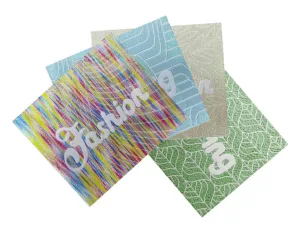
Woven labels are important for branding. They last long, look great, and are popular in industries like luxury fashion. These labels improve product quality and show off your brand’s identity.
| Feature | Details |
|---|---|
| Durability | Woven labels stay strong after many washes and uses. |
| Visual Appeal | They make products look better and boost brand image. |
| Market Popularity | Luxury fashion values them for their quality and style. |
To pick the best woven labels, think about your needs. Choose the right materials, create a good design, and balance cost with quality. Always test samples and ask experts to make sure your labels match your brand.
Tip: A great woven label is more than a tag—it shows your brand’s values and dedication to quality.
FAQ
What’s the difference between satin, damask, and taffeta woven labels?
Satin is shiny and smooth, great for fancy products. Damask is soft but strong, perfect for detailed designs. Taffeta feels rough and crisp, ideal for outdoor or vintage items. Pick based on your product’s style and needs.
How do I know which label size is right for my product?
Think about your product’s size and where the label goes. Small items need tiny labels, while big products can use larger ones. Always test samples to check how they look and fit before deciding.
Can I customize woven labels with my logo and colors?
Yes, you can! Woven labels let you add logos, colors, and fonts. Work with a trusted maker to ensure your design looks great and matches your brand.
Are woven labels eco-friendly?
They can be! Some makers use organic cotton or recycled polyester. If being eco-friendly is important, ask your supplier about their green materials and practices.
How can I make sure my woven labels last?
Use strong materials like damask for long-lasting labels. Sew-in labels stay better than iron-on ones. Test samples by washing and stretching them to see if they hold up over time.
Tip: Always choose a reliable maker to get durable labels that show your brand’s quality.